Podcast and Video Content Management: A Complete Operational Guide
Audio and video content have become central to modern media strategies — but they demand workflows that most text-focused editorial teams were never designed to support.
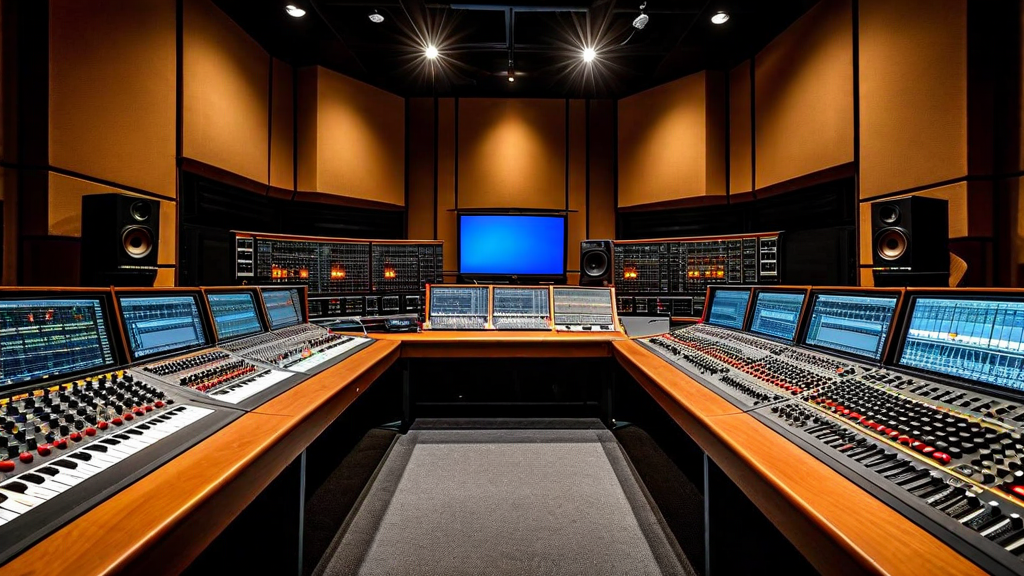
Audio and video have shifted from supplementary content formats to strategic imperatives for media organizations that want to maintain audience relevance. Podcast listenership has grown consistently for over a decade and shows no signs of plateauing. Short and long-form video dominates content consumption on mobile devices. For editorial teams that built their operational infrastructure around text, the integration of audio-visual content production represents a substantial operational challenge — different production workflows, different file management requirements, different distribution channels, and different performance metrics than anything the organization has managed before.
This guide addresses that challenge directly. Not the creative aspects of podcast and video production — those are well-covered elsewhere — but the operational infrastructure: how to manage production workflows, assets, metadata, distribution, and analytics for audio-visual content at scale within a media organization that needs it to work alongside, not in isolation from, its text publishing operations.
The Asset Management Challenge
Audio and video content creates an asset management challenge that text workflows were never designed to handle. A single podcast episode involves raw recordings (potentially multiple tracks), edited audio files, transcript files, show notes, chapter markers, cover art, promotional clips, and the final distributed file. A video piece of comparable depth adds footage files, B-roll libraries, motion graphics assets, color-graded exports, and platform-specific renditions. Without systematic asset management, these files scatter across shared drives, personal computers, and cloud storage accounts — creating version confusion, access problems, and the very real risk of permanent loss.
An effective audio-visual asset management system requires a defined folder hierarchy that mirrors the production workflow (raw → edited → approved → distributed), consistent naming conventions that make version and format clear from the filename alone, and a metadata schema that tags each asset with episode identifier, content type, format specification, approval status, and distribution destination. These standards need to be documented, enforced consistently, and reviewed periodically as the volume and variety of content grows.
Storage tiering is a practical and cost-important consideration: raw footage files are large and should move to cheaper cold storage once a project is complete, while final distributed files and their associated assets need to be readily accessible for reference, repurposing, and quality checks. Building storage tiering into your asset management policy from the start prevents the storage cost spiral that unmanaged media archives create.
Podcast Production Workflow Design
A well-designed podcast production workflow has five distinct stages, each with its own participants, deliverables, and quality gates. Pre-production covers topic selection, guest coordination, research, and briefing preparation. Recording covers the technical setup, the recording session itself, and initial quality assessment. Post-production covers editing, sound design, music integration, and quality review. Distribution preparation covers transcript generation, show notes writing, chapter markers, metadata optimization, and platform formatting. Distribution and promotion covers feed publishing, cross-platform distribution, and promotional content creation.
The most common operational failure in podcast workflows is treating pre-production and post-production as informal activities that happen ad-hoc around the recording. This leads to inconsistent episode quality, missed metadata requirements, and distribution delays caused by incomplete assets. Pre-production should be gated: recording should not begin until a completed briefing document — covering the conversation arc, key questions, and any required research — has been reviewed. Post-production deliverables should be similarly gated before distribution begins.
Transcript generation deserves particular attention in the workflow design. AI-generated transcripts have reached a quality level where they are genuinely useful for accessibility compliance, SEO optimization, and show notes creation — but they require human review before publication. Building transcript review into the post-production stage rather than treating it as an optional add-on is the difference between a podcast with strong search visibility and one that is invisible to readers who discover content through text search.
Video Content Operations at Scale
Video content operations at scale differ from podcast operations primarily in the volume and complexity of the assets involved and the number of production roles required. A podcast can be produced by one or two people with modest equipment. Video at broadcast quality involves multiple roles — producer, camera operator, editor, graphics designer — and generates orders of magnitude more raw data that needs to be organized, reviewed, and processed before a publishable output exists.
The operational infrastructure for video at scale typically involves three components: a digital asset management system designed for video (capable of handling large files, video preview generation, and multi-format exports), a production management system that tracks project status, task assignments, and deadline compliance, and a distribution management system that handles the mechanics of uploading, encoding, captioning, and publishing to multiple platforms. These three systems need to be integrated — ideally through APIs — so that content status, asset location, and distribution records are accessible in a single workflow view rather than tracked manually across separate systems.
Cross-Format Content Integration
The highest-value operational investment for media organizations adding audio-visual content is building integration between their audio-visual and text publishing workflows. When these operate as independent silos, the organization misses the compounding value of repurposing content across formats — the podcast conversation that could become a long-form article, the video that could be transcribed and published as a feature, the text series that could inform a season of podcast episodes.
Integration requires shared metadata standards: episode and article records that reference each other, a content planning system that explicitly flags repurposing opportunities, and a clear editorial protocol for managing cross-format content packages — the decisions about what should be published where, in what sequence, and how it should be cross-promoted without seeming redundant to audiences who follow the publication across multiple formats.
A practical first step is building a shared content calendar that includes all format types. This creates visibility into the full content program across formats, surfaces natural cross-format connections that would otherwise be missed, and enables the coordinated release timing that maximizes audience reach for major content initiatives.
Analytics for Audio-Visual Content
Performance analytics for podcast and video content use different signals than text analytics, and require different tooling to access. For podcasts, the primary metrics are download counts (industry standard, though imperfect as a proxy for actual listens), completion rates (the percentage of listeners who hear to the end of an episode), subscriber growth, and platform-specific engagement metrics available through hosting platforms like Spotify for Podcasters and Apple Podcasts Connect. For video, completion rate and rewatch rate are stronger quality signals than view count alone; watch time and audience retention curve data (available in YouTube Studio and most video analytics platforms) are essential for understanding where content is losing viewers.
The key discipline for audio-visual analytics is establishing per-episode baseline benchmarks quickly enough to inform production decisions. A publication that produces one podcast episode per week and analyzes performance only monthly will always be several episodes behind the feedback needed to improve. Weekly analytics review, even brief, with a focus on relative performance within your own catalog rather than absolute numbers, creates the feedback loop that enables consistent format improvement over time.
Key Takeaways
- Audio-visual asset management requires a defined folder hierarchy, consistent naming conventions, and a metadata schema designed for the production workflow from the start.
- Podcast and video workflows need formal pre-production gating — recording should not begin until a completed briefing document is in place.
- AI-generated transcripts are production-quality enough to support SEO and accessibility, but require human review before publication.
- Video at scale requires integrated digital asset management, production management, and distribution management systems — manual coordination across separate systems does not scale.
- Cross-format content integration — shared calendars, cross-referenced metadata, explicit repurposing protocols — is where the compounding value of multi-format publishing is realized.
Conclusion
Podcast and video content management is operationally demanding, but the rewards for getting it right are substantial. Audio and video formats build audience relationships in ways text alone cannot — they communicate personality, depth, and trust in a more immediate and intimate register. Media organizations that invest in the operational infrastructure to produce and manage audio-visual content sustainably, rather than treating it as an ad-hoc addition to a text-first operation, will find themselves with a richer and more durable audience relationship than those that content themselves with text distribution alone. The infrastructure described in this guide is not aspirational — it is achievable by any media organization with clear operational standards and the commitment to implement them consistently.